Turnkey Solutions
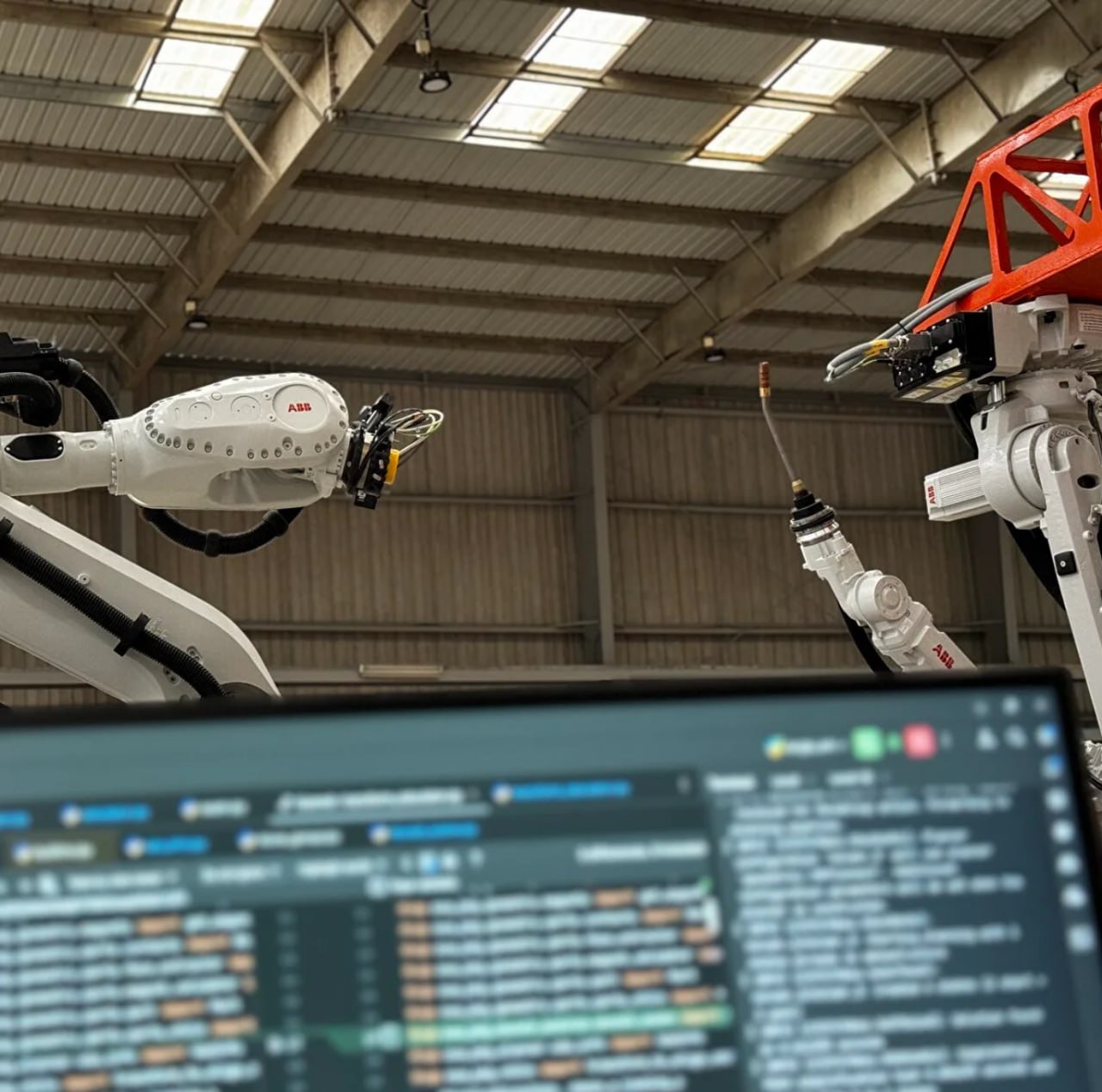
A turnkey solution is a complete, end-to-end project designed, procured, and delivered by a single specialist provider. Unlike bespoke (custom-built) solutions, which often involve multiple suppliers and complex project management, turnkey projects ensure minimal downtime, maximum efficiency, and seamless execution.
At Quant Robotics, our bespoke turnkey solutions are adapted to the specific requirements of each customer — whether it’s an educational institution or a manufacturing facility. From concept to commissioning, our team ensures smooth coordination, delivering a reliable and cost-effective solution.
Key Benefits
Why leading manufacturers choose our integrated approach
Tailored to Your Needs
Every project is adapted to your technical requirements and operational environment.
Minimal Downtime
Efficient planning and execution ensure projects are delivered on schedule with minimal disruption.
End-to-End Delivery
From initial design to installation and integration, we handle the entire process with one point of contact.
Optimized Investment
A complete turnkey solution eliminates the need for multiple suppliers, reducing risks and hidden costs.
Core Software Features
Direct BIM Integration
The system natively imports industry-standard files (TEKLA, IFC, STEP). It automatically parses the 3D model to identify parts, weld seams, and assembly logic, converting them into robot commands instantly.
Automated Path Planning
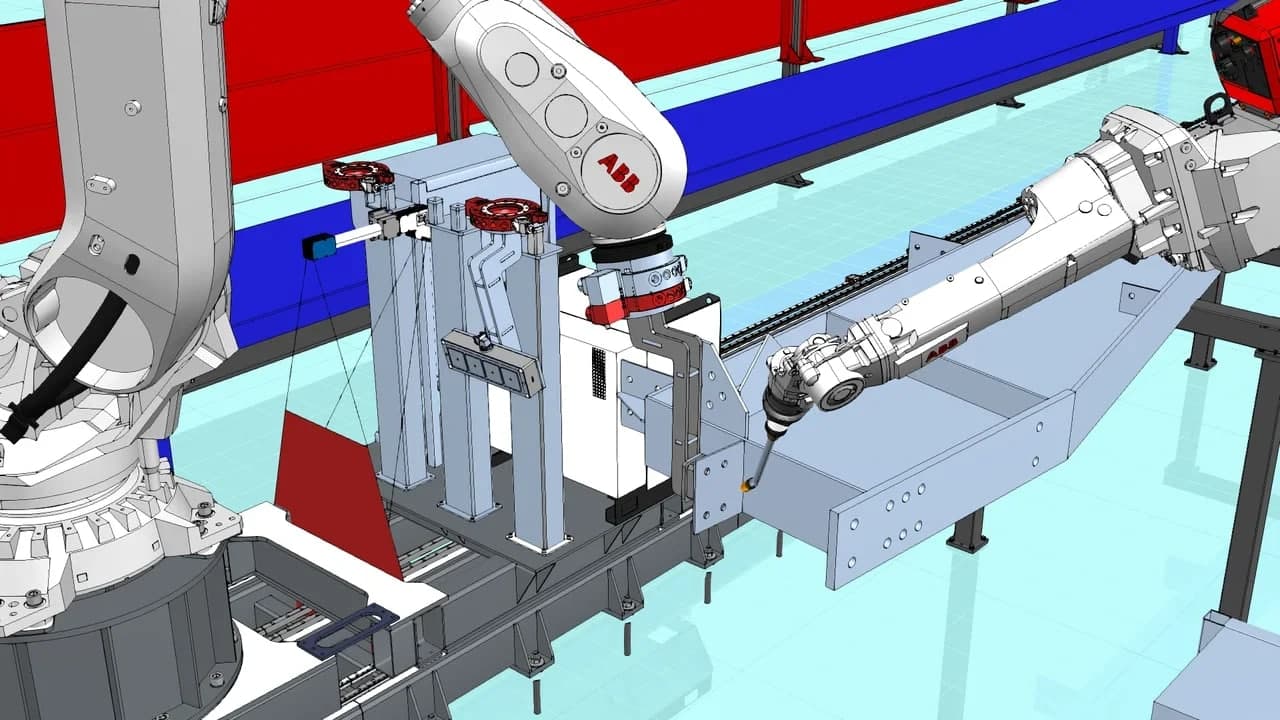
The software calculates collision-free trajectories for the robot arm and the linear track. It optimizes the sequence of operations to minimize air-moves and maximize arc-on time.
Batch Size One Ready
Because no manual programming is required, the system is as efficient producing a single unique beam as it is producing a batch of 100. This solves the "High-Mix, Low-Volume" challenge typical in structural steel fabrication.
Capabilities for Manufacturers
Machine parts of any complexity — from prismatic shapes to intricate 3D designs.
Increased programming efficiency and reduced cycle times.
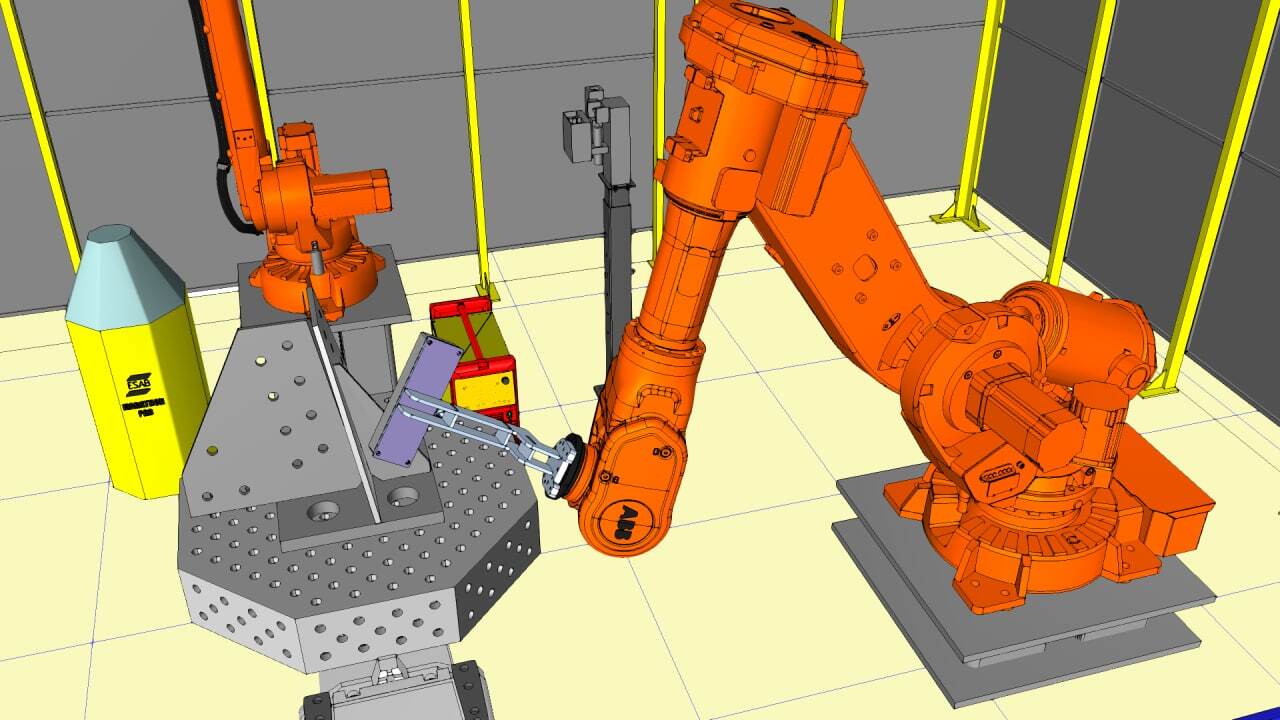
Robotics integration — automated manipulator arms for handling tools and workpieces.
Team collaboration — centralized repositories with file version control ensure everyone works on the latest design.
Traditional vs. Integrated CAD
Traditionally, the transition from design to production has been fragmented. CAD operated in separate silos, leading to manual data transfers, translation errors, communication delays, and rising costs.
"Integrated CAD changes this by eliminating barriers between design and manufacturing, reducing preparation time, and ensuring higher product quality."